Planets & Other Birth Chart Symbols
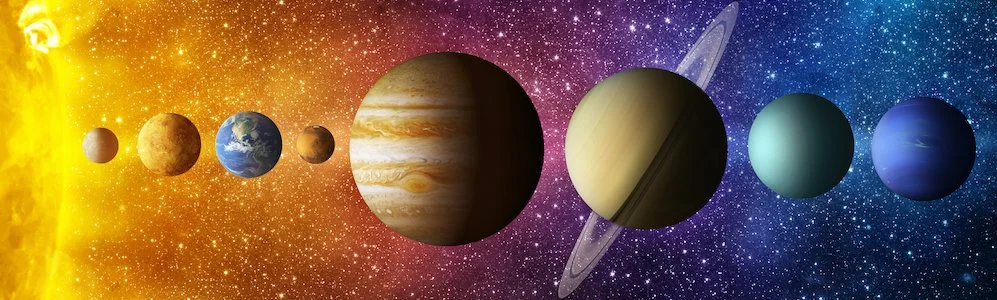
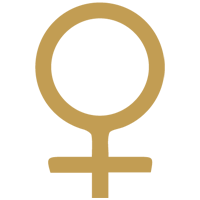
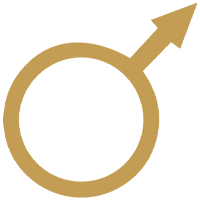
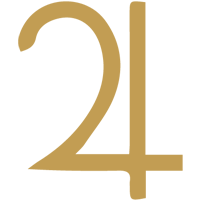
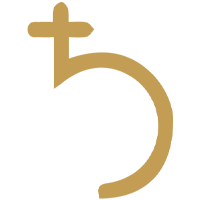
The main players of a birth chart are the Sun, the Moon, the seven planets – Mercury, Venus, Mars, Jupiter, Saturn, Uranus, Neptune, and last but not least, Pluto, which is not considered a planet.
One of the most fundamental stages of reading a birth chart, is the interpretation of the planets positions in the signs and houses of the chart.
Each planet represents an aspect of your personality. In order to learn about yourself through your chart, you need to understand the personality aspect related to each of the planets. For example, Mercury’s position in your chart will indicate the way you think, while the Moon’s position in the chart will indicate how you process emotions.
There are also other important symbols in the chart, such as the North Node and South Node. These are not physical planets but mathematical points that mark where the Moon’s path crosses the ecliptic. They are deeply significant in astrology, offering insight into your life direction and the evolutionary themes of your journey.
In this section you will find essential information on each planet and other main symbols in the birth chart.
Cosmic Bodies Info Explanations
Primary Ruler: Each cosmic body rules one or two zodiac signs. These signs are known as the planet’s primary rulerships.
Traditional Ruler: Before the discoveries of Uranus, Neptune, and Pluto, other planets were associated with ruling Scorpio, Aquarius, and Pisces. These earlier associations are referred to as the traditional rulers of those signs.
Planetary Speed: Each planet moves through the zodiac at its own pace. The closer a planet is to the Sun, the faster it travels and the less time it spends in each sign. Faster-moving planets tend to reflect more personal aspects of your chart, while slower moving planets influencer broader generational themes.
Personality Aspect: Each planet represents a different dimension of your personality. In this section, you’ll find the key themes and psychological qualities associated with each cosmic body.
Planets

Other Symbols